
One of the best things about hiking on La Palma is that you never have to wait for the right season. The island is located in the subtropics, but rises to over 2,400 meters, creating conditions where there’s always a trail at its best.
The question isn’t whether, but when your favorite landscape looks its best and at what elevation it feels most comfortable underfoot.
Spring: Green Hillsides and Wildflower Trails
Spring on La Palma lasts from about January to May and transforms the island into a remarkably lush landscape.
Winter rains have soaked the ground, and the volcanic slopes are responding with grasses, wildflowers, and fresh growth in the laurel forests. For anyone looking to hike through La Palma’s lush, vibrant landscapes, this is the ideal time.
Temperatures in the spring are mild at all elevations. Along the coast, temperatures range from 20 to 24 degrees, while in the highlands at 1,380 meters, they fluctuate between 14 and 18.
The layer of stratus clouds is active, but not as persistent as it is in the summer, which means more sunlight reaches the northwest. Mornings are often clear, making early starts pleasant and worthwhile.
The Cubo de la Galga laurel forest is at its most atmospheric in the spring. The humidity is high, the ferns are a vibrant green, and the moss on the ancient branches drips constantly. The caldera floor also features more watercourses, with streams and small waterfalls that dry up in the summer.
Spring also offers the best flight connections, with numerous direct flights. If you prefer a quieter experience despite the island’s growing number of visitors, the north and northwest are the perfect places for you. There are no large hotels or resorts here, just lovingly designed fincas and vacation homes for independent travelers.
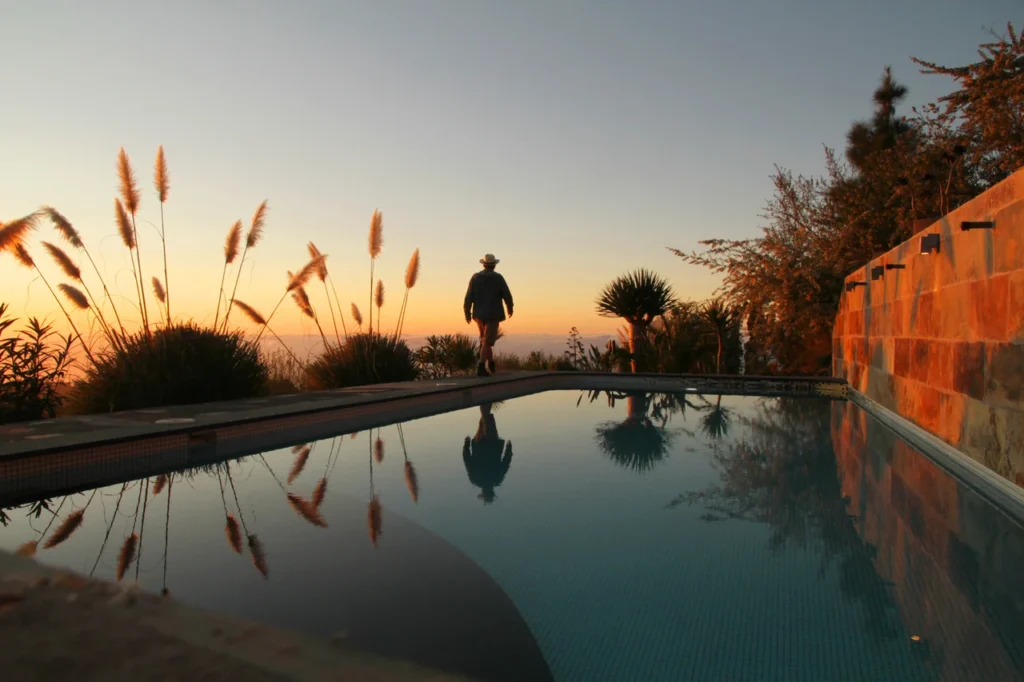
Summer: High Altitudes and Early Starts
Summer brings the warmest temperatures and the most stable weather, but it also requires more planning. Coastal trails under the blazing sun can get uncomfortably hot at midday, with temperatures ranging from 28 to 32 degrees. The key to a great hiking experience on La Palma in the summer is location and timing.
Conditions remain pleasant in the laurel and pine forests in the northwest and north of the island. Even in July and August, the dense laurel forest around La Zarza stays comfortably between 20 and 24 degrees. The exception is during Calima winds, when the hot wind from Africa drives temperatures up here as well.
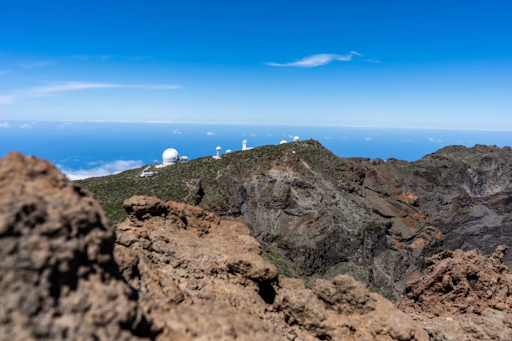
The pine forests provide shade, and the air is drier than in the humid coastal region, which often feels tropical in the summer. Hikes along the ridge of the Cumbre are spectacular in the summer, with clear skies and views all the way to the neighboring islands.
The layer of trade wind clouds is most active in the summer, creating a striking visual effect. From the northwestern highlands, you look down upon a sea of white clouds, while the sky above is deep blue. This phenomenon makes hiking at high altitudes on La Palma feel like walking above the weather.
Start early. Starting at 10 a.m., the sun is intense on exposed volcanic terrain. Plan the main ascent or ridge trail for the first three hours of the day, then seek out shade or a pool. Bring extra water when hiking on La Palma in the summer. At least two liters; three for routes above the cloud line.
Fall: Clarity After Summer and Harvest Light
Fall, from September through November, is arguably the most underrated season for hiking on La Palma. The summer heat subsides, the air remains clear, and the island enters a transitional phase that has its own unique beauty.
October brings bright light and warm but comfortable temperatures at every elevation. The volcanic ridges look most dramatic when the autumn sun hits them at low angles, casting long shadows across craters and lava fields. Photography is exceptional during this time.
The vineyards add a layer of activity to the highland landscape. Hiking through the vineyards while the grapes are being harvested allows visitors to experience La Palma’s hiking trails in harmony with the island’s agricultural rhythms. The La Palma Tour website offers a visual tour of one such vineyard, Garafía.
Late fall brings the first rain showers—usually brief, but enough to bring greenery to the lower slopes and refresh the forest trails. These showers rarely last more than a day, and the hiking conditions in between are excellent.
Winter: Cool weather and crystal-clear skies
Winter on La Palma is not like winter on the European mainland. Coastal temperatures range from 18 to 22 degrees. The highlands are cooler, around 14 to 18 degrees during the day, but rarely cold enough to require heavy winter gear.
For hiking on La Palma, winter offers the clearest air and the widest views. The atmosphere is cleansed by periodic rain, and on dry days, the view from the Cumbre Ridge stretches for hundreds of kilometers.
The night sky is at its clearest, and the Astronomy La Palma website explains why winter evenings above the cloud layer offer exceptional stargazing opportunities.
Rain is the main factor. Winter sees the most precipitation, though it tends to come in short bursts rather than as continuous rain. A typical pattern is one to two rainy days followed by four to five dry ones. Planning hikes on La Palma around these patterns is straightforward once you learn to read the local forecasts.
The laurel forests are at their wettest and most dramatic in winter. Water cascades down moss-covered cliffs, streams are in full flow, and the air in the forest feels tropical. To understand how the microclimate creates these conditions, the page “High-Altitude Air and Microclimate ” explains altitude-related weather patterns.
What Stays the Same All Year Long
Some aspects of hiking on La Palma don’t change with the seasons. The trail network is maintained year-round. Trail markers and signage are always present. The high-altitude pine forests smell of resin, whether it’s January or July. The volcanic rock beneath your feet calls for the same sturdy boots every season.
The northwestern highlands, at elevations above 1,000 meters, offer sunshine above the cloud layer every month. This is the defining feature of the island’s microclimate, and it means that even on a rainy winter day on the coast, you can drive up to 1,380 meters and find clear skies, dry trails, and unobstructed views.
High-altitude accommodations provide a year-round base for hiking on La Palma. On hacienda-lapalma.com, the stone houses with fireplaces are just as cozy on a cool winter evening as they are refreshing after a hot summer hike. The “Questions and Answers ” page covers practical details about staying in the highlands during all seasons.
For quick access to check weather forecasts and plan routes, high-altitude lodgings offer wireless Internet access, regardless of the season.

Frequently Asked Questions (FAQs)
1. What is the best month for hiking on La Palma?
There is no single “best” month. Spring (February through May) offers green landscapes and wildflowers. Fall (October through November) brings clear light and pleasant temperatures. Winter offers the clearest visibility, and summer is ideal for high-altitude routes. Choose based on your preferred landscape and temperature.
2. Can You Hike on La Palma in the Winter?
Yes. Winter temperatures remain mild, and dry days between rain showers offer excellent conditions with crystal-clear visibility. The highlands above the cloud layer are often sunny, even when the lower elevations are overcast. Bring a light rain jacket and check the forecasts, but hiking on La Palma in winter is definitely doable.
3. Is summer too hot for hiking on La Palma?
Not if you’re hiking in the woods. Coastal trails can get hot at midday, but the dense forests in the north and northwest of the island stay between 18 and 24 degrees even in the height of summer. Start early, choose shaded forest trails at midday, and bring extra water. The pine and laurel forests and the trails at cloud level are comfortable all summer long.
4. Does It Rain a Lot on La Palma?
Rain falls mainly between November and March, usually in short spells lasting one to two days. Annual rainfall totals vary by elevation, with the northeast receiving the most precipitation. The northwestern highlands are drier due to their location above the trade wind cloud layer. Rain rarely disrupts more than a single day of hiking.
5. What is the best elevation for year-round hiking on La Palma?
The ideal range is between 800 and 1,500 meters. This zone lies above the humid coastal zone and the cloud layer and offers more hours of sunshine, drier air, forested areas, and cooler temperatures than at sea level. Accommodations in the northwest at 1,380 meters offer direct access to trails in this ideal hiking area.