
The first question most people ask about trekking on La Palma isn’t “where,” but “am I fit enough?” The island is known for its rugged terrain, and that can be intimidating.
But the truth is, La Palma offers trails for every skill level. The key is to choose a trail that suits your experience, your fitness level, and how long you want to be on your feet.
How the Trail System Works
La Palma uses the same trail classification system as mainland Spain. GR trails are long-distance hiking trails that cross the island. PR trails are half-day or full-day hikes. SL trails are local loop trails, usually taking less than two hours to complete. Signs are color-coded and include estimated walking times.
This system makes hiking on La Palma easy, even for first-time visitors. Most routes do not require a guide. To help with planning, the La Palma Map website shows the island’s layout, including trails and elevation zones.
The trails are maintained by local teams. Damaged sections are repaired quickly, and new information is posted at the trailheads. This attention to detail is why hiking on La Palma feels accessible rather than stressful.
Beginner Routes: Gentle Starts in the Woods and Vineyards
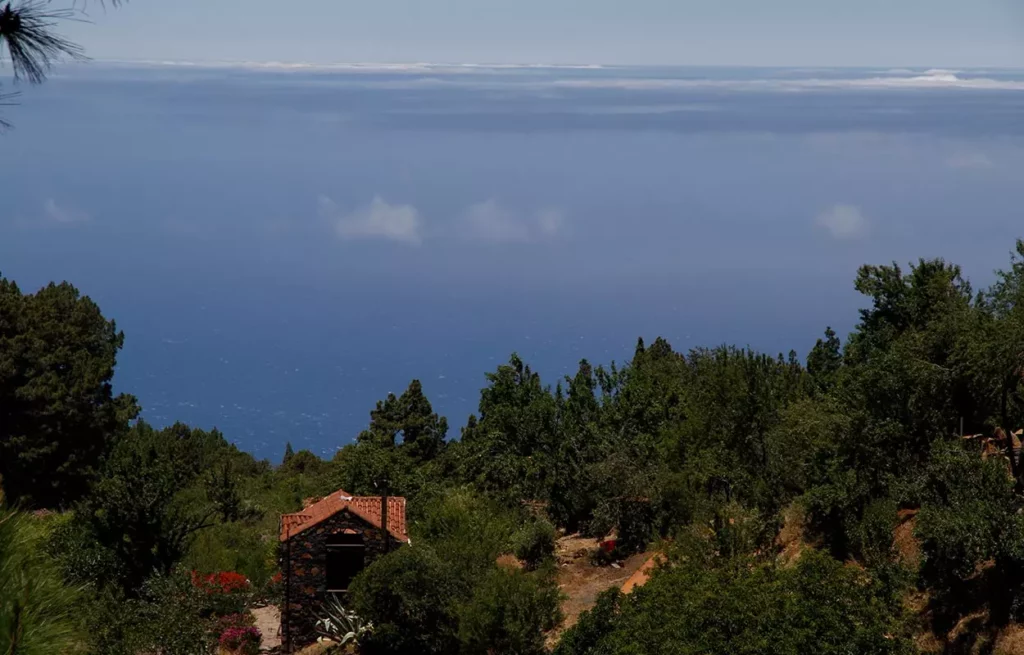
If you’ve never gone hiking before or prefer flat, shaded trails, the Northwest Highlands around Garafía offer the easiest way to get started. The high-altitude pine forests are crisscrossed by forest trails that are wide, soft, and practically flat.
A typical beginner’s trail takes sixty to ninety minutes to complete, is two to four kilometers long, and has almost no elevation gain. The ground, made of compacted pine needles, is easy on the joints and comfortable to walk on in regular hiking shoes.
Vineyard trails on highland estates offer an even more leisurely option. Hiking between rows of vines with a view over the sea of clouds takes about thirty minutes. It’s trekking on La Palma at its most relaxed, and for many guests, it becomes a daily ritual.
Medium Routes: More Elevation and Distance
Once you feel comfortable with the terrain, moderate hikes open up more of the island. These routes typically involve an elevation gain of 400 to 800 meters, take three to five hours, and require proper hiking boots.
The Cubo de la Galga in the northeast is a solid mid-range choice. It winds through one of Europe’s oldest laurel forests, a dripping, moss-covered setting that feels prehistoric. The loop takes about three hours and rewards hikers with wild vegetation and views of the gorge that are inaccessible from any road.
Coastal descent routes from the northwestern highlands are another option. They follow barrancos—the deep gorges carved out by water over the centuries. You hike downhill for two to three hours, reach hidden swimming spots, and then climb back up. This type of trekking on La Palma quickly builds up your fitness during a week-long stay.
Advanced Routes: Full-Day Volcano Challenges
Experienced hikers come to La Palma for trails that test their endurance and nerves.
The Caldera de Taburiente traverse is the classic advanced trek. The descent from Los Brecitos to the crater floor takes 2 to 2.5 hours. The exit via the Barranco de las Angustias adds another 3.5 to 4 hours, following a rocky riverbed.
The total walking time is six to seven hours, with a cumulative elevation gain of over 1,500 meters. Trekking on La Palma doesn’t get any more immersive than this.
The GR 131 ridge trail along the Cumbre winds through exposed volcanic terrain at altitudes above 2,000 meters. Sections near the Roque de los Muchachos traverse landscapes that seem more lunar than earthly. Winds can be strong, and the weather changes quickly.
The southern volcanic zone around Tajogaite features rugged, young lava terrain. The ground consists of uneven black basalt and is fully exposed to the sun. For anyone serious about hiking on La Palma, the southern volcanoes are a must-see.
Increase During the Stay
One advantage of staying in the Northwest Highlands is the opportunity to gradually increase the difficulty level as the trip progresses.
Arrive and settle in. Take advantage of the vineyard trails and pine forest paths near your lodging to acclimate to the 1,380-meter altitude. Your body needs a day to adjust, especially if you’ve flown in from sea level.
On the second or third day, try a short descent down a barranco with a 300- to 400-meter drop in elevation. This will introduce you to the volcanic terrain without taking up an entire day.
Midweek is the time to tackle the Caldera or a section of the Cumbre Ridge. By then, you’ll be acclimated and have plenty of days left to rest. To help you plan your trip and ensure you have enough days for progressive trekking on La Palma, the Flugplan La Palma website lists current flight connections.
End the week with some gentle hikes and relaxation. The Wellness La Palma website describes spa treatments that are perfect for tired legs.
Equipment That Really Matters
Not all hiking gear is equally important for trekking on La Palma. Here’s what really makes a difference.
Boots are essential for anything beyond forest trails. The volcanic rock is rough, loose in places, and hard on your ankles. Mid-calf boots with stiff soles and good tread handle La Palma’s terrain best.
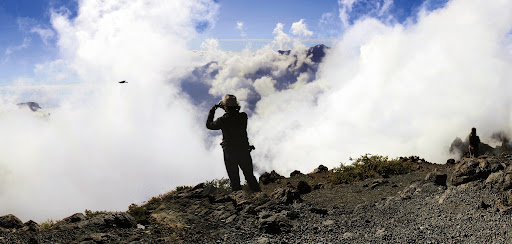
Water is more important than food. The mountain air is dry, and exposure to the sun above the cloud line causes the body to lose water more quickly than expected. At least two liters for every trek lasting more than two hours. Three liters for full-day hikes.
Layering beats heavy jackets. It can be cool in the morning at 1,380 meters, warm at noon on exposed ridges, and temperatures drop sharply in the evening. A lightweight fleece and a windproof shell cover every scenario.
Sun protection is important year-round. UV levels are high at high altitudes, and light reflected off volcanic rock increases the intensity.
For fast internet access to download hiking maps or share photos, highland accommodations offer wireless internet. At hacienda-lapalma.com, the connection supports video calls and regular web browsing at an elevation of 1,380 meters.
For more information about La Palma’s location in the Canary Islands and the diversity of its terrain, the page “ La Palma, Canary Islands ” provides useful context.

Frequently Asked Questions (FAQs)
1. Is trekking on La Palma safe for solo hikers?
Yes. The trail network is well marked, cell phone service covers most routes, and the island’s small size means you’re never far from a road or a village. Solo hiking on La Palma is common, though it’s always a good idea to share your itinerary with someone.
2. What Level of Fitness Do You Need for Trekking on La Palma?
It depends on the route. Forest trails and vineyard paths do not require any special level of fitness. Intermediate trails with an elevation gain of 400 to 800 meters require moderate fitness. Advanced routes, such as the Caldera crossing, demand endurance and confidence when climbing continuously over rocky terrain.
3. Can You Go Hiking on La Palma in the Summer?
Yes, with a few adjustments. Start early in the morning to avoid the midday heat, stick to shaded forest trails during peak hours, and bring extra water. Hiking in the laurel forests in the north of the island—for example, around La Zarza—is cooler than coastal trails and more pleasant in the summer.
4. Do You Need Hiking Poles for Trekking on La Palma?
Hiking poles are helpful on steep descents, especially in the Caldera and on the Barranco trails, where loose volcanic scree makes the footing unstable. They are unnecessary on forest roads and vineyard trails. If you regularly use hiking poles, you should bring them along. If not, your legs and boots will handle most routes just fine.
5. Where Should You Stay for the Best Access to Hiking on La Palma?
The northwestern highlands around Garafía, at an elevation of 1,380 meters, offer direct access to trailheads right from the property. Forest hikes, vineyard trails, and barranco descents all begin within walking distance. This convenient location also provides easy access to popular dragon tree trails around Las Tricias, summit hikes on the Roque de los Muchachos, and unique coastal hikes in the rugged northern part of the island, all within a 25- to 40-minute drive.